How to stay fit in busy schedule
It is really a difficult task to do exercises when you are busy all over the day you must take out some time like 1 or 2 hours preferably in the morning for making you free from tension of work as well as for the exercises where you schedule your program as you feel like planning. I myself do walking for half an hour then gym for half an hour and swimming half an hour from 6 to 9 am everyday. That makes my friendship group and satisfies our mental status and you get companions for working in your schedule. Simple things like not using the lifts and twowheelers or cars but using stairs for going up and down and bicycling all the way.

Morning Exercise
Morning time is a best exercising time for the busy scheduled people in other words you must take 2 hours for your health, fitness and Some exercises like push ups, squats, skipping etc. in your spare time.
Yoga and pranayam is advocated in the end of your exercise program for 20 to 30 mins, that keeps your mind peaceful and healthy.
The Morning exercises for beginners should be walking, jogging, basic physical training like moving head, neck, legs, hands, waist etc. These are warming up exercises to your body that keeps your heart blood pressure, as well as your mind peaceful. As you are practicing this and build a confidence and interest you can start heavy exercises like going to gym, swimming .
Those who can swim should start swimming for at least half an hour and may be followed by some break fast that we are going to discuss in details later on.
Those who are going to gyms looking at your physic, you choose your exercises that should strengthen your working muscles like calfs, thigh muscles like quadriceps and hamstrings, hips joints, muscles of back, biceps, triceps Deltroid, shoulders, neck movements.
Staying Active While in the Office: Fitness Exercises for a Healthier Workday

In today’s fast-paced world, many of us spend long hours sitting at desks, glued to computer screens, or participating in meetings. While it’s important to stay productive at work, it’s equally crucial to prioritize our physical health. Sitting for prolonged periods can lead to a range of issues, from poor posture to back pain, and even cardiovascular problems. The good news is that you don’t need to leave the office to stay active and improve your fitness. Here are some simple and effective exercises that can be done right at your desk or during short breaks.
1. Seated Leg Raises
A great way to tone your legs without leaving your chair is to perform seated leg raises. This exercise targets your quads and helps improve circulation in your lower body.
How to do it:
- Sit up straight with your feet flat on the floor.
- Slowly extend one leg straight out in front of you, hold it for a few seconds, and then lower it back down.
- Repeat with the other leg.
- Perform 10–15 reps for each leg.
2. Chair Squats
Squats are one of the best full-body exercises, and you can easily modify them to perform at your desk. Chair squats help engage your core, glutes, and legs.
How to do it:
- Stand up in front of your chair with your feet shoulder-width apart.
- Slowly lower your body as if you are going to sit back down, but stop just before you touch the seat.
- Engage your core, stand back up, and repeat.
- Aim for 10–15 reps.
3. Desk Push-ups
If you’re looking for an upper body workout, desk push-ups are a great option. This exercise works your chest, shoulders, and triceps.
How to do it:
- Stand about an arm’s length away from your desk, with your feet hip-width apart.
- Place your hands on the desk, keeping your body in a straight line from head to toe.
- Lower your chest toward the desk by bending your elbows, then push yourself back up.
- Perform 10–15 reps.
4. Neck and Shoulder Stretches
Long hours at a desk can lead to stiff neck and shoulder muscles. Incorporating neck and shoulder stretches can relieve tension and improve flexibility.
How to do it:
- Sit up straight with your shoulders relaxed.
- Slowly tilt your head to one side, bringing your ear toward your shoulder. Hold for 15–30 seconds and then switch sides.
- Next, roll your shoulders forward in a circular motion for 10 reps, then reverse the direction.
5. Seated Torso Twists
This exercise helps improve spinal mobility and stretches your back and core.
How to do it:
- Sit upright in your chair with your feet flat on the floor.
- Place your right hand behind your chair, and gently twist your torso to the right, holding for 15–30 seconds.
- Return to the starting position, then repeat on the left side.
- Perform 5–10 twists on each side.
6. Wrist and Finger Stretches
Typing and using a mouse for hours can lead to tight wrists and fingers. Regular stretches can alleviate discomfort and prevent repetitive strain injuries.
How to do it:
- Extend your right arm in front of you with your palm facing down.
- Use your left hand to gently pull your fingers back toward your wrist to stretch the forearm.
- Hold for 15–30 seconds, then switch sides.
- You can also try wrist circles or finger stretches by spreading your fingers wide and holding for a few seconds.
7. Standing Calf Raises
Calf raises are a simple way to improve circulation and strengthen your calves while you’re at your desk or during a quick break.
How to do it:
- Stand with your feet hip-width apart, near your desk for balance.
- Slowly raise your heels, standing on the balls of your feet, then lower back down.
- Perform 10–15 reps, holding the position at the top for a few seconds for added benefit.
8. Walking or Standing Meetings
Instead of sitting through long meetings, suggest walking meetings or stand while you participate in discussions. If your office space allows, walking around the room or even taking a quick stroll outside can improve focus and boost energy.
9. Glute Squeeze
This exercise can be done while seated at your desk, targeting the glutes and helping to engage your core.
How to do it:
- Sit upright in your chair with your feet flat on the floor.
- Tighten your glutes (butt muscles), hold for 5–10 seconds, and then release.
- Repeat for 10–15 reps.
10. The “Desk Plank”
If you want to take things up a notch, try the desk plank. This exercise engages your core and helps with balance and stability.
How to do it:
- Stand facing your desk and place your hands on the edge of the desk, about shoulder-width apart.
- Walk your feet back so your body forms a straight line from your head to your heels.
- Hold this position for 15–30 seconds, engaging your core and keeping your body stable.
- Repeat for 2–3 sets.
11. Stretching Breaks
Finally, make it a habit to take a quick stretching break every hour. Standing up and stretching your legs, back, and arms can prevent stiffness and boost energy. Try incorporating forward bends, hamstring stretches, or even some yoga poses like downward dog if you have space.
Benefits of Office Workouts
Incorporating these simple fitness exercises into your daily office routine can have significant health benefits, such as:
- Improved posture: Regular stretching and movement can reduce the negative effects of prolonged sitting.
- Enhanced energy: Short bursts of physical activity increase blood flow, helping to keep energy levels high throughout the day.
- Reduced stress: Physical activity stimulates endorphins, which can help you manage workplace stress.
- Better focus: Taking active breaks boosts productivity by allowing your mind to refresh and reset.
- Injury prevention: Regular movement helps prevent repetitive strain injuries, back pain, and stiffness.
Conclusion
You don’t need a gym membership or a long lunch break to stay fit during the workday. With just a few minutes of simple exercises, you can significantly improve your overall health and well-being while maintaining your focus at work. So, next time you’re stuck in a meeting or glued to your computer, remember that fitness is just a few steps away—literally! Try integrating these exercises into your day and notice the positive effects they have on your body and mind.

After when you reach home from your work you must find some time to play with your kids and spend some time with your family. Atleast 4 times in a week that will keep rapoo with all the family members getting involved in the family matters will maintain your image as a family person.



Now the next very important feature is your “DIET” you must choose a diet suitable for you depending upon your Veg./Non-veg. customs of your family.
- Breakfast : For non-veg 2 eggs, or fish or milk. / For veg. 1 egg, milk, sprout, oats, dry fruits.
- Lunch : For non-veg Chicken, eggs etc. / For veg. Green veg. rich in protein like sprouts, 1 or 2 chapatis, some rice and curry.
- Dinner : Weekly 3 to 4 times non-veg dish must be included in the diet./ For veg Paneer, Soya bean curry, etc. must be included in the weekly diet.
In a nutshell your diet should be high in protein, low carbohydrates, almost zero fat.
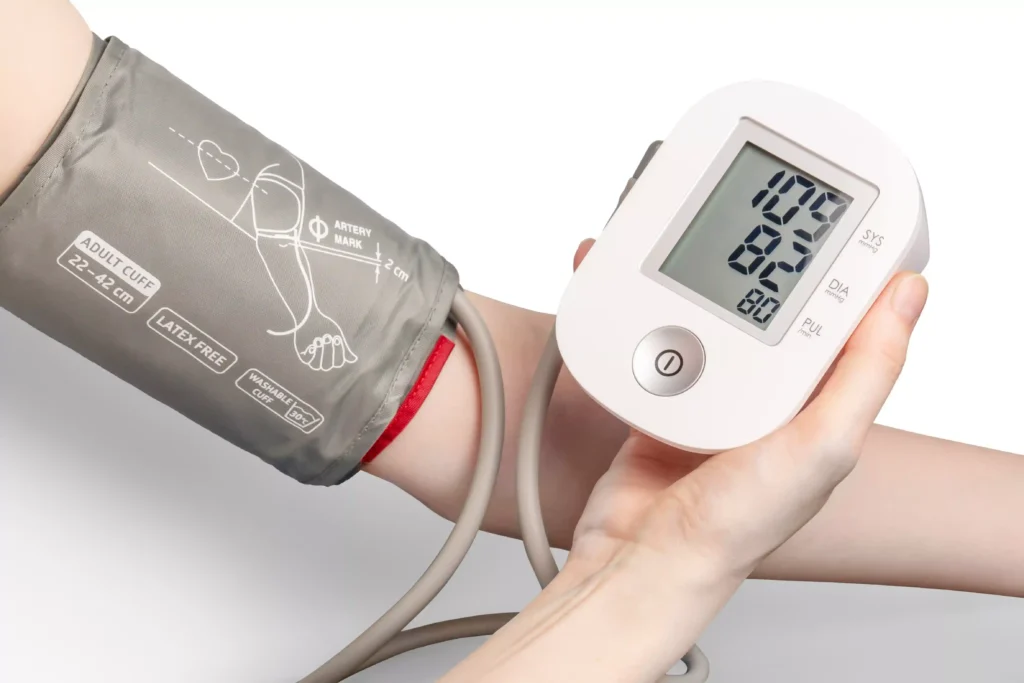
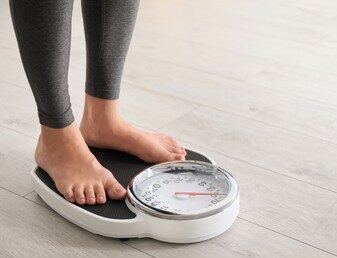
If you schedule routine this way you have to set some goals also for the monitoring purpose of your health like weight, Blood investigation BP and Sugar if you are a middle aged and for older people we advise protein supplements and regular medical checkups are mandatory for all age groups that will give alerts of your health.

Like this your Exercise program should be scheduled which includes your exercises with all your office work, peaceful and plessurable family life