
General Indian Diet
Staples like rice, roti, and dal forming the carbohydrate and protein base.
Staples in the diet are foods that form the foundation of people’s daily nutrition, providing a large portion of their caloric and nutrient needs. These are usually inexpensive, widely available, and culturally significant. Here’s a breakdown of their role:
1. Primary Source of Energy
Staple foods like rice, wheat, maize (corn), potatoes, and cassava are rich in carbohydrates, which are the body’s main energy source.
2. Nutrient Suppl
While not always nutrient-dense, staples can provide fiber, protein, and essential vitamins and minerals (e.g., iron, B vitamins in whole grains).
Some staples are fortified or combined with other foods to prevent deficiencies (e.g., iodized salt, enriched flour).
3. Economic and Food Security Role
Staples are usually cheap and accessible, making them critical for preventing hunger, especially in low-income regions.
They are often grown locally, supporting agricultural economies and resilience in food systems.
4. Cultural and Culinary Identity
Staples reflect local agriculture and cuisine, shaping daily meals and food traditions (e.g., rice in Asia, maize in Latin America, bread in Europe).
However, relying too heavily on a single staple can lead to nutrient deficiencies (e.g., relying solely on polished rice can lead to a lack of B vitamins).
Would you like examples of staple foods by region or more on nutritional balance?
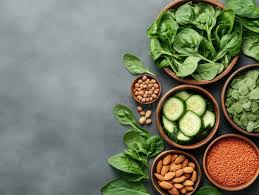
Vegetables and pulses for fiber and micronutrients.
In the Indian context, fruits and vegetables are integral to daily meals and provide essential nutrients needed to combat widespread deficiencies and support overall health. Here’s a summary tailored to commonly consumed Indian vegetables and fruits, along with their nutritional values and health roles:
Nutritional Value of Common Indian Vegetables
| Vegetable | Key Nutrients | Health Benefits |
|---|---|---|
| Spinach (Palak) | Iron, Vitamin A, Vitamin C, Folate | Improves blood health, boosts immunity |
| Carrot (Gajar) | Beta-carotene (Vitamin A), Fiber | Supports eye health, digestion |
| Bottle Gourd (Lauki) | Water, Fiber, Vitamin C | Aids hydration and digestion |
| Bitter Gourd (Karela) | Iron, Vitamin C, Potassium | Helps manage blood sugar |
| Drumstick (Moringa) | Calcium, Iron, Vitamin C | Strengthens bones and immune function |
| Cauliflower (Phoolgobi) | Vitamin C, Vitamin K, Fiber | Anti-inflammatory, supports heart health |
| Brinjal (Baingan) | Fiber, Antioxidants (nasunin) | Supports brain and liver function |
| Ladyfinger (Bhindi) | Fiber, Vitamin C, Magnesium | Regulates blood sugar, supports digestion |
Nutritional Value of Common Indian Fruits
| Fruit | Key Nutrients | Health Benefits |
|---|---|---|
| Banana (Kela) | Potassium, Vitamin B6, Fiber | Energy boost, supports heart and nerve health |
| Mango (Aam) | Vitamin A, Vitamin C, Fiber | Supports immunity and vision |
| Guava (Amrood) | Vitamin C, Fiber, Folate | Boosts immunity, improves digestion |
| Papaya (Papita) | Vitamin A, C, Enzymes (papain) | Aids digestion, supports skin health |
| Pomegranate (Anar) | Iron, Vitamin C, Antioxidants | Improves blood health and heart function |
| Apple (Seb) | Fiber, Vitamin C, Polyphenols | Promotes heart and gut health |
| Watermelon (Tarbooj) | Water, Vitamin A, Vitamin C | Keeps hydrated, reduces inflammation |
| Orange (Santra) | Vitamin C, Folate, Antioxidants | Supports immunity, skin health |
Indian Dietary Considerations
India has a predominantly vegetarian diet, especially in rural and semi-urban areas, making vegetables and fruits a critical source of micronutrients.
Despite wide availability, micronutrient deficiencies (like iron, vitamin A, and folate) are common due to limited diversity and overcooking of vegetables.
Government programs like Poshan Abhiyaan and mid-day meal schemes promote fruit and vegetable intake to improve child and maternal health.
To get the most nutrition:
Eat seasonally and locally available produce.
Prefer raw or lightly cooked vegetables to preserve nutrients.
Include a variety of colors (green, orange, red, purple) to cover a broad nutrient range.
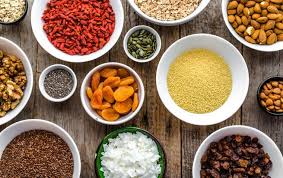
Spices and herbs such as turmeric, cumin, and coriander that offer health benefits.
In the Indian context, spices and herbs like turmeric, cumin, coriander, and others are not only essential for flavor but also have deep medicinal and health-promoting properties rooted in Ayurveda and supported increasingly by modern research.
Here’s a breakdown of key Indian spices and herbs and their health benefits.
1. Turmeric (Haldi)
Active compound: Curcumin
Health Benefits:
Strong anti-inflammatory and antioxidant properties
Supports joint health (e.g., arthritis relief)
Boosts immunity and helps fight infections
May aid in liver detoxification and digestion
Traditional uses: Used in milk (haldi doodh) for colds, applied to wounds as antiseptic.
2. Cumin (Jeera)
Active compounds: Cuminaldehyde, thymol
Health Benefits:
Enhances digestion and reduces bloating/gas
Improves iron absorption (good for anemia)
Has antibacterial properties
Traditional uses: Jeera water is consumed for digestion and detox
3. Coriander (Dhaniya)
Both seeds and fresh leaves used
Health Benefits:
Rich in vitamin C, K, and antioxidants
Supports blood sugar control
Acts as a mild diuretic (helps in detox and reducing water retention)
Traditional uses: Coriander seeds in water used to cool the body and aid digestion
4. Ginger (Adrak)
Active compound: Gingerol
Health Benefits:
Aids in digestion and relieves nausea
Has anti-inflammatory and pain-relieving effects
Boosts circulation and immunity
Traditional uses: Ginger tea for colds, nausea, and menstrual cramps
5. Garlic (Lahsun)
Active compound: Allicin
Health Benefits:
Supports heart health by lowering cholesterol and blood pressure
Acts as a natural antibiotic
Boosts immune function
Traditional uses: Often used during seasonal changes for immunity
6. Fenugreek (Methi)
Rich in: Fiber, iron, and phytonutrients
Health Benefits:
Helps regulate blood sugar and cholesterol
Supports lactation in nursing mothers
Eases constipation and promotes gut health
Health Benefits in Indian Scenario
In India, where non-communicable diseases (diabetes, heart disease) and digestive issues are common, these spices play a preventive role.
They are also part of home remedies for minor ailments—used in kadhas, herbal teas, and spice mixes (masalas).
Ayurveda promotes a holistic approach where spices help balance doshas (Vata, Pitta, Kapha).