
Arthritis is a condition that causes inflammation in the joints, leading to pain, stiffness, swelling, and reduced range of motion. It commonly affects weight-bearing joints such as the knees and hips. Severe cases can significantly impact a person’s quality of life and may require advanced treatment options, including joint replacement surgery.
Types of Arthritis
-
- Osteoarthritis (OA):
-
- The most common type, caused by wear and tear of the joint cartilage.
-
- Risk factors include age, obesity, joint injuries, and genetic predisposition.
-
- Osteoarthritis (OA):
-
- Rheumatoid Arthritis (RA):
-
- An autoimmune disease where the immune system attacks the joint lining.
-
- Often affects multiple joints symmetrically.
-
- Rheumatoid Arthritis (RA):
-
- Post-Traumatic Arthritis:
-
- Develops after an injury to the joint.
-
- Post-Traumatic Arthritis:
-
- Other Types:
-
- Psoriatic arthritis, gout, lupus-related arthritis.
-
- Other Types:
Symptoms
-
- Pain in the affected joint(s).
-
- Swelling and tenderness.
-
- Stiffness, especially in the morning or after inactivity.
-
- Reduced mobility or difficulty in walking.
Treatment Options
Non-Surgical Approaches:
-
- Medications:
-
- Pain relievers (e.g., acetaminophen, NSAIDs).
-
- Corticosteroids or hyaluronic acid injections.
-
- Disease-modifying antirheumatic drugs (DMARDs) for RA.
-
- Medications:
-
- Physical Therapy:
-
- Strengthening exercises for supporting muscles around the joint.
-
- Range-of-motion exercises to maintain flexibility.
-
- Physical Therapy:
-
- Lifestyle Modifications:
-
- Weight management to reduce joint stress.
-
- Low-impact exercises like swimming or cycling.
-
- Lifestyle Modifications:
-
- Assistive Devices:
-
- Knee braces or canes to alleviate stress on the joint.
-
- Assistive Devices:
Knee and Hip Replacement Surgery
When conservative treatments fail, surgery may be recommended, particularly for severe arthritis that hinders daily activities.
As the age advances may be in the middle age and depending upon the work (hard work, heavy weight lifting and Standing for long time etc) the wear and tear of the articular cartilage as well as the menisci occurs and this leads to pain. The patient initially manages with household remedies and goes to a Doctor where he is usually kept on medication and exercises this is a stage at the begining of arthritis.
As the time advances may after 1 or 2 years he starts getting x-ray changes in the knee Joint initially in patellofrmoral joints ,then tibiofemoral joint further there after some years still destruction causes the requirement of Knee Replacement Surgery.
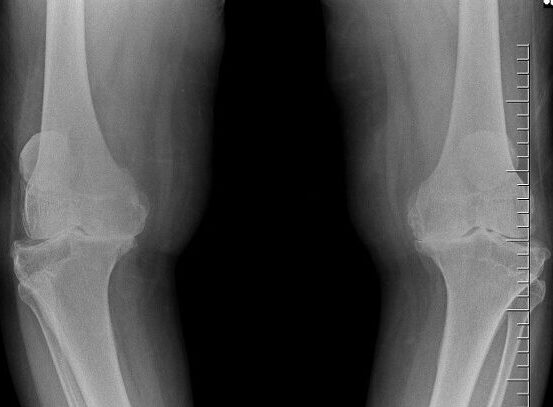
Mild Osteoarthritis
X ray picture of the beginning of arthritis Look at the Articular Margins and subluxation of joints
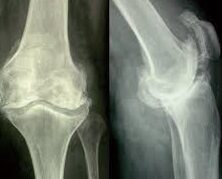
Severe Osteoarthritis
This is the stage when the patient has to depend on some assistant or help for his movements and severe pain
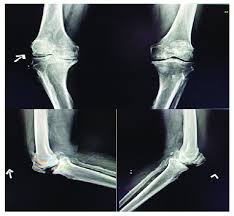
Moderate Osteoarthritis
After 3-4 years approx. Xray Changes still advanced hence the pain and the Disability
Total Hip Replacement Surgery
The Commonest causes when you require Total Hip joint Surgery are as follows–
- (AVN ) Avascular Necrosis of Bone
- Osteoarthritis of bones of Hip Joints
- Rhematoid Arthritis and Damage of Hips
- post traumatic damaged Hip by fracture head of femur or Acetabulum
- Childhood diseases like Perthes, Other Dysplasias
- Ideopathic by other reasons
With all above reasons the hips get damaged amongst them commonest reason we come across is the AVN. This happens in the age of 20-40 when patient gets pain in affected hip which gets gradually increasing and making him disabled so that he seeks the attention of a Join Replacement Surgeon.
The MRI of hips conforms the diagnosis and the patient is advised accordingly
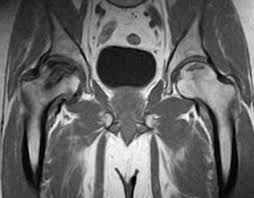
AVN of the right Hip joint MRI showing a dark shadow on the superior and weight bearing surface.
For More Information

Arthritis of Knee joint Patient

Arthritis of Hip Joint Patients
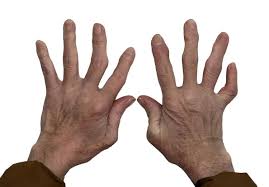
Rheumatoid Arthritis patient
Rheumatoid Arthritis
Rheumatoid arthritis (RA) is a chronic autoimmune disease characterized by inflammation of the joints, which can lead to pain, swelling, and potential joint damage. Here’s an overview of the onset, progression, and treatment:
Onset
- Age and Gender:
- RA typically manifests between the ages of 30 and 60, although it can occur at any age.
- It is more common in women than men (approximately 3:1 ratio).
- Initial Symptoms:
- Gradual onset: Symptoms often start subtly and progress over weeks to months.
- Common early symptoms include:
- Morning stiffness lasting more than 30 minutes.
- Joint pain, redness, swelling, and warmth (often symmetrical, affecting both sides of the body).
- Fatigue, low-grade fever, and weight loss.
- Small joints of the hands and feet are often affected first.
Progression
- Stages:
- Early RA: Inflammation without visible joint damage. Symptoms are more manageable.
- Moderate RA: Increased inflammation, noticeable joint deformities, and impaired function begin to develop.
- Severe RA: Significant joint damage, deformities, and potential disability occur.
- Complications:
- Permanent joint damage if untreated.
- Systemic issues, such as cardiovascular disease, lung involvement (interstitial lung disease), or eye inflammation (scleritis or uveitis).
- Rheumatoid nodules: Firm lumps under the skin near joints.
- Increased risk of infections due to the disease or immunosuppressive treatment.
Treatment
The goal of treatment is to manage symptoms, reduce inflammation, and slow disease progression.
1. Medications
- Disease-Modifying Anti-Rheumatic Drugs (DMARDs):
- First-line treatment to slow disease progression.
- Examples: Methotrexate (most common), Sulfasalazine, Hydroxychloroquine, Leflunomide.
- Biologic DMARDs:
- Target specific immune pathways.
- Examples: Tumor Necrosis Factor (TNF) inhibitors (e.g., Adalimumab, Etanercept), Interleukin inhibitors, or B-cell depleting agents (e.g., Rituximab).
- Janus Kinase (JAK) Inhibitors:
- Oral medications targeting inflammation pathways (e.g., Tofacitinib, Baricitinib).
- Nonsteroidal Anti-Inflammatory Drugs (NSAIDs):
- Symptom relief for pain and stiffness (e.g., Ibuprofen, Naproxen).
- Corticosteroids:
- Short-term use to control severe inflammation (e.g., Prednisone).
2. Non-Pharmacological Interventions
- Physical Therapy: To maintain joint function and mobility.
- Occupational Therapy: Techniques to reduce strain on joints during daily activities.
- Exercise: Low-impact activities like swimming, walking, or yoga to maintain strength and flexibility.
- Dietary Adjustments: Anti-inflammatory diets rich in omega-3 fatty acids, antioxidants, and whole foods may help.
3. Lifestyle Modifications
- Quit smoking (a risk factor for RA and disease severity).
- Stress management techniques.
- Adequate rest balanced with physical activity.
4. Surgical Options (for severe cases)
- Joint replacement surgery (e.g., hips, knees).
- Synovectomy: Removal of inflamed joint lining.
- Tendon repair.
Emerging Treatments
- Advances in precision medicine and biologics are providing more personalized approaches.
- Stem cell therapy and novel biologic agents targeting different immune pathways are being studied.
Prognosis
- Early diagnosis and aggressive treatment can significantly improve outcomes.
- Many patients achieve remission or low disease activity with current treatment options.
- Regular monitoring by a rheumatologist is essential to adjust therapy based on disease activity.
Let me know if you’d like detailed guidance on any specific aspect you can contact on degaonkarvijay007@gmail.com or +918668344979